Water Heater Repair · Arizona

Call Now: (555) 010-1234
☰ MenuOpen ▾

Arizona Water Heater Repair · Tankless water heater repair in Arizona · Water Heater Repair in Glendale · Call Now

Tankless water heater repair in Glendale

This is the one page for tankless water heater repair in Glendale, Arizona. For tankless water heater repair across all of Arizona, use the parent subservice page. For the full water heater repair service in Glendale, use the area page. This page does not repeat either of them in full — it covers this subservice, in this area, only.

  • Downtown Glendale
  • Westgate
  • Arrowhead Ranch
📞 Call Now: (555) 010-1234
✓ Priced before work starts✓ Coverage by ZIP — call to check

Local help

Tankless water heater repair help for Glendale

In Glendale, tankless water heater repair follows the same diagnosis-first approach as elsewhere in Arizona, with the difference being local: access, property types, and conditions in Glendale itself. Neighbourhoods covered on this page include Downtown Glendale, Westgate, Arrowhead Ranch. Coverage is by ZIP — if you are unsure whether help is available for your exact address in Glendale, call and ask for your ZIP rather than assuming from this page alone.

Signs your water heater needs repair

✓No hot water, or hot water that runs out much faster than it used to.
✓Water is lukewarm, inconsistent, or changes temperature without warning.
✓Popping, rumbling, or banging noises from the tank.

How water heater repair works — in Glendale

1

1. Diagnose first

Power or gas supply, thermostat, elements, valves, and the tank itself are checked in order, so the actual fault is found.

2

2. Explain the options

You get a plain explanation: what failed, what a repair costs, and when replacement makes more sense than another repair.

3

3. Repair or replace

The faulty part is replaced, or, if the tank has failed, the unit is replaced and connected properly.

4

4. Test and check

Hot water is tested, leaks are checked, and temperature and safety controls are verified before the job is finished.

Tankless water heater repair work in Glendale

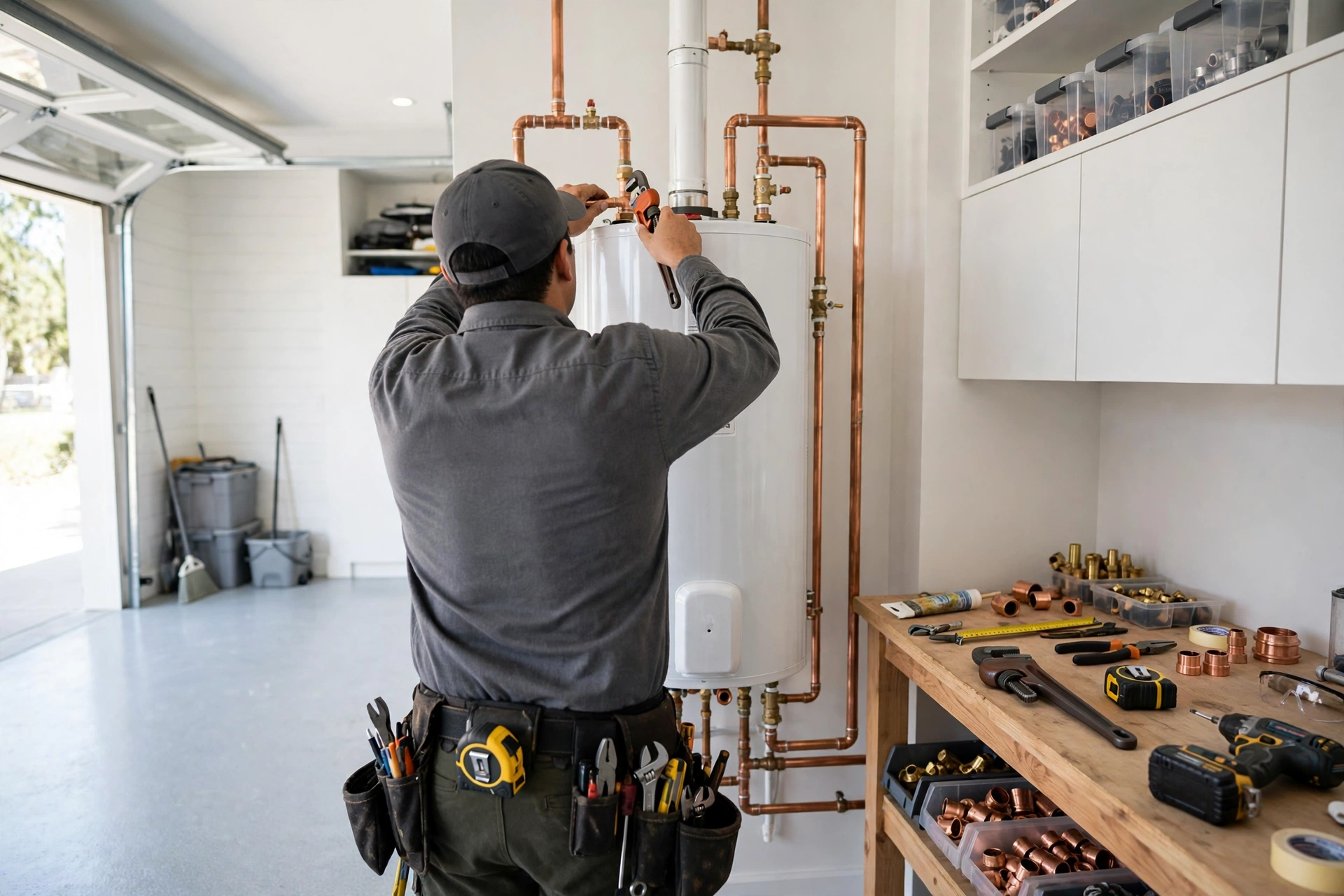
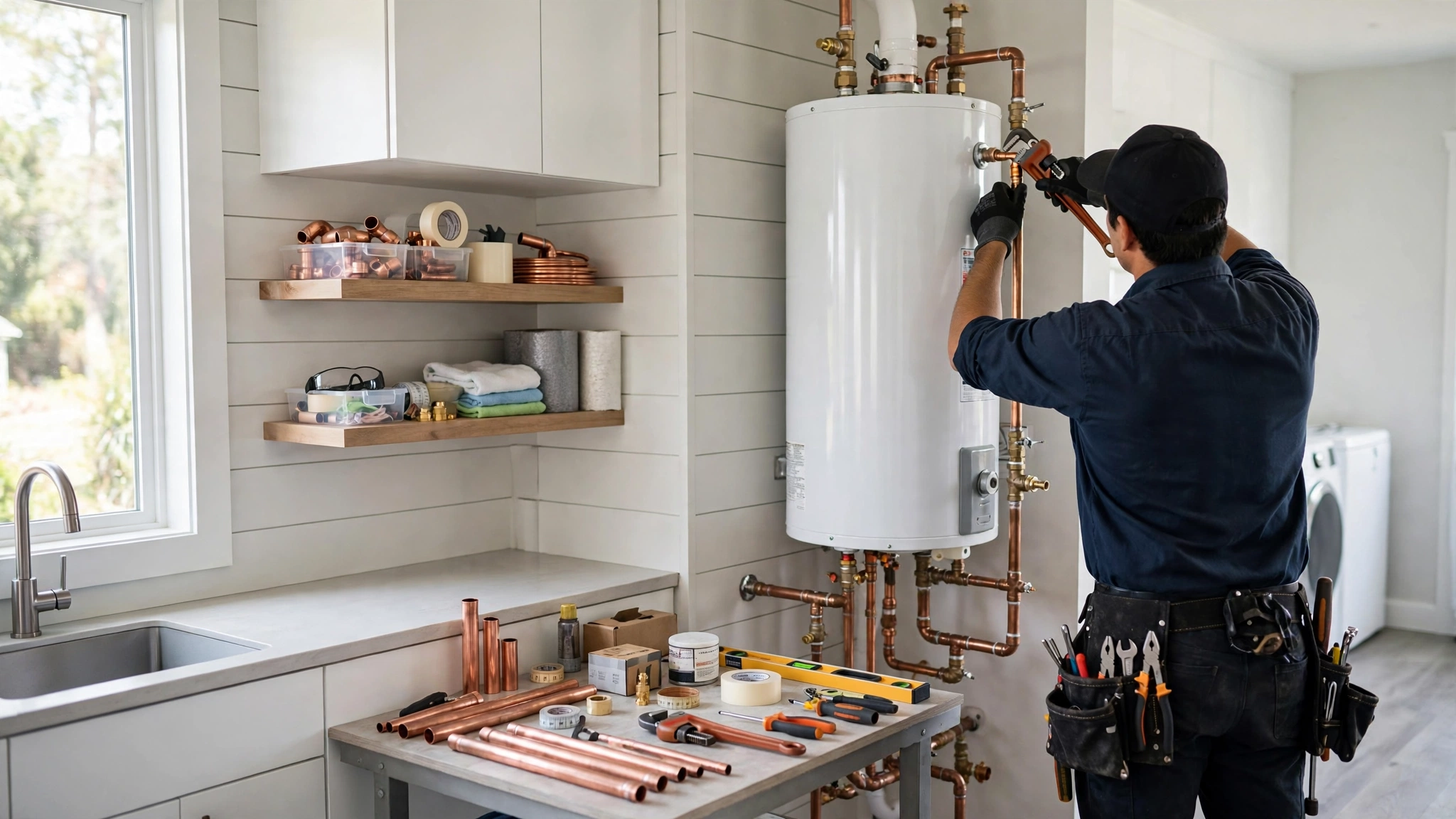
Illustrative photo — tankless water heater repair work in Glendale, not a specific customer job

▶ Watch: tankless water heater repair in Glendale — illustrative video, not a specific customer job

Frequently asked questions

How long should a water heater last?⌄

Tank heaters commonly last around 8 to 12 years; tankless units can last longer with maintenance. Age alone is not a diagnosis, but it changes the repair-versus-replace maths.

Is it worth repairing an old water heater?⌄

A single part repair can be worth it. Repeated failures, a leaking tank, or heavy sediment usually point to replacement being the better spend.

Guides and blueprints

Water Heater Repair guides and blueprints — Tankless water heater repair in Glendale

The guides below cover tankless water heater repair in Glendale specifically: the blueprint for this subservice in this area, how to decide it is the right choice here, what to check before work starts, what moves its price, safety, and aftercare. For this subservice across all of Arizona, use the parent subservice page; for the full service in Glendale, use the area page.

01 · BLUEPRINTStep by step

Blueprint: water heater repair, step by step — Tankless water heater repair in Glendale

A water heater repair goes wrong most often when it starts with a part instead of a diagnosis. This blueprint keeps the order right: find the fault, explain the options in plain language, fix the fault or replace the unit, then test before anyone leaves. Following the same order every time also makes the job easier to check afterwards, because each step has a clear result you can point to.

  1. 1

    Step 1 — Note the symptoms: no hot water, lukewarm water, noises, rust-coloured water, or a leak, plus the make, model, and age of the unit if you can find them.

  2. 2

    Step 2 — Check the obvious safely: power supply, gas supply, and any tripped breaker. If you smell gas, leave the area and call your gas utility instead of trying to relight anything.

  3. 3

    Step 3 — Diagnose in order: supply, thermostat, heating elements, valves, and finally the tank itself, so the actual fault is found rather than guessed.

  4. 4

    Step 4 — Compare repair against replacement in writing: what failed, what a part repair involves, and when an old or leaking tank makes replacement the better spend.

  5. 5

    Step 5 — Agree the scope and price before work starts, including what is included, what would change the scope, and what happens if a further fault is found.

  6. 6

    Step 6 — Carry out the repair or replacement, with proper connections, venting, and safety controls checked as part of the job, not as an afterthought.

  7. 7

    Step 7 — Test properly: hot water at the taps, no leaks, temperature controls working, and safety controls verified, then a plain summary of what was done.
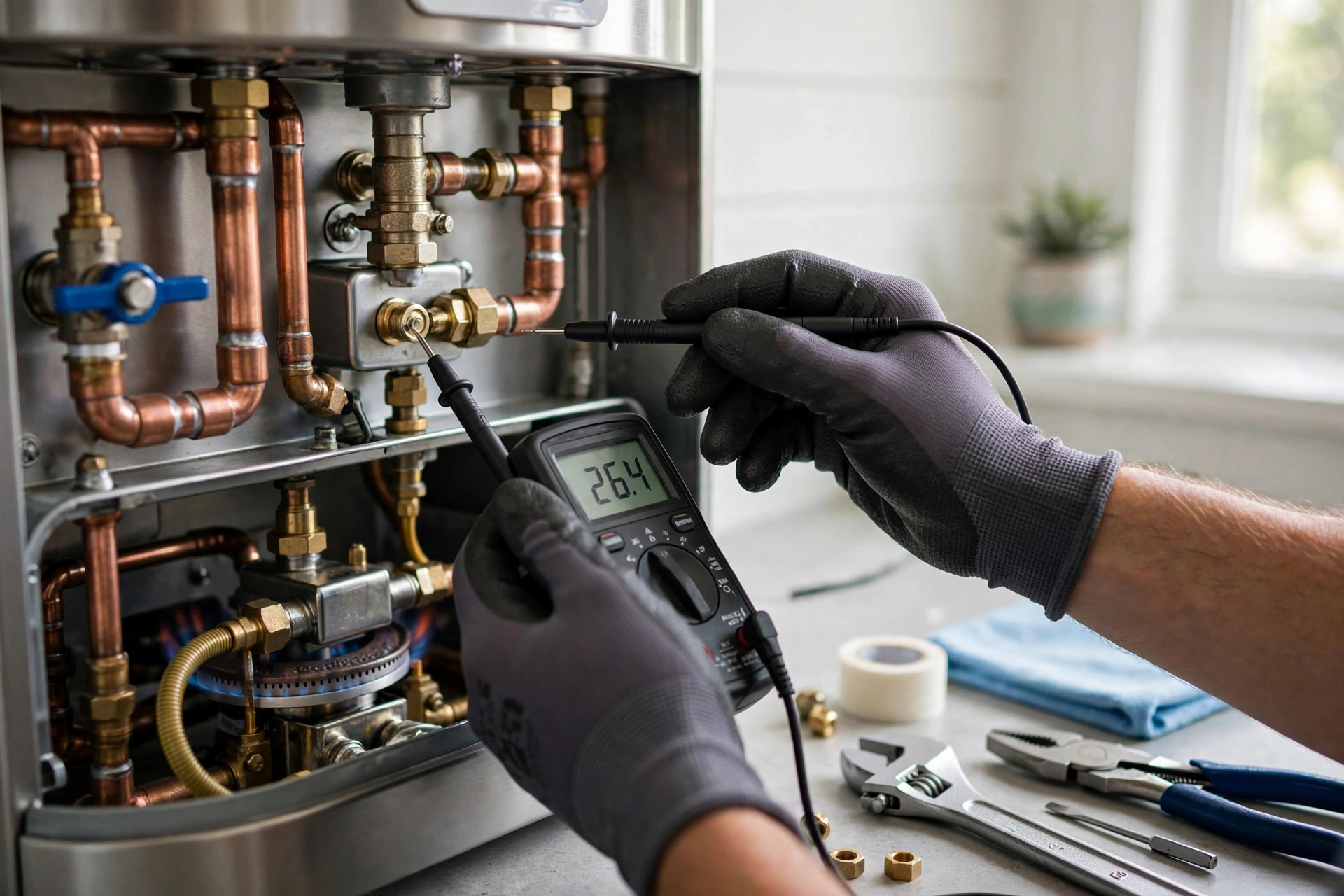
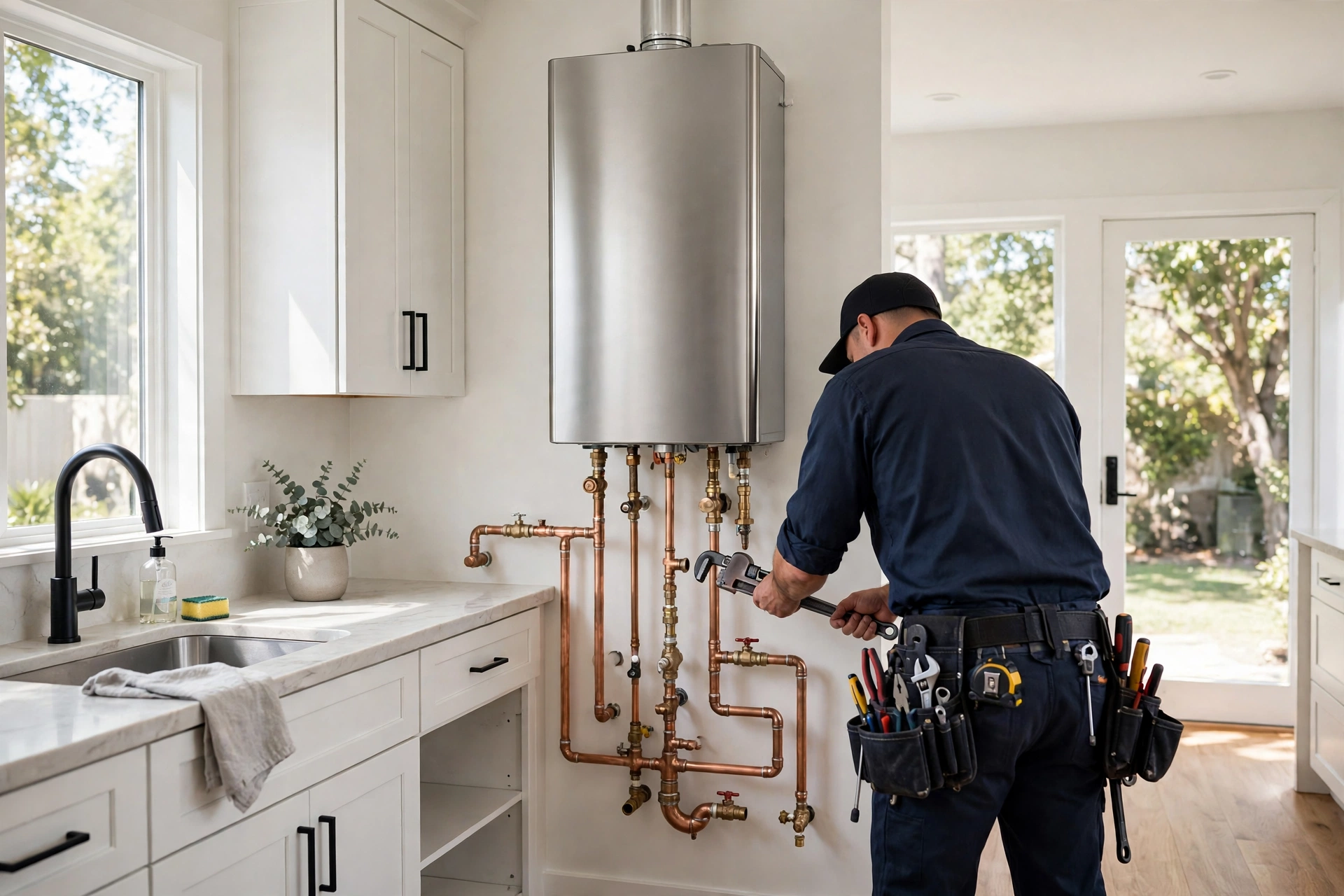
Blueprint: water heater repair, step by step — Water Heater Repair guide illustration
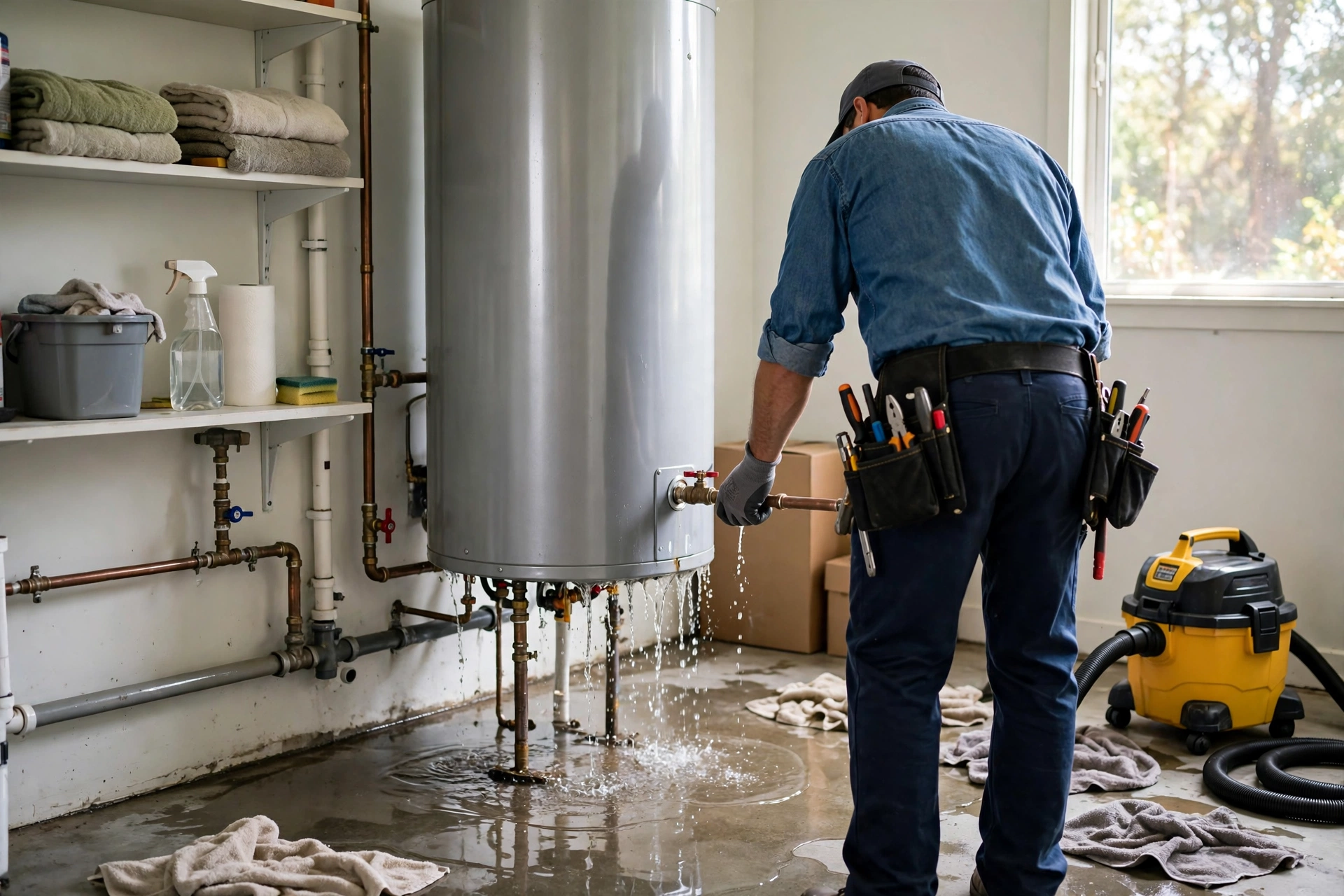
Illustrative photo — water heater repair work, not a specific customer job.
02

Guide: repair or replace — how to decide — Tankless water heater repair in Glendale

The repair-or-replace question is really about the tank, not the part. A failed element or thermostat on a unit that is otherwise sound is a different decision from a leaking tank, repeated failures, or heavy sediment that has been building for years. Age matters here because tank heaters commonly last around eight to twelve years, so a unit near the end of that range deserves a harder look before another part is fitted.

Ask for the decision in writing, with the fault named, the repair option described, and the replacement option described alongside it. A good explanation will say what each option fixes and what it does not fix, and it will be honest when a repair is only buying a short time. If the only answer you get is a single price with no breakdown, you do not yet have enough information to choose well.

Household use matters too. A home with several people using hot water at once, a large bath, or a dishwasher and laundry running together puts different demands on a unit from a small household with one shower. Size, fuel type, and space all feed into a replacement choice, so a recommendation should come from an assessment of your home rather than a guess from a web page or a one-size answer.

Guide: repair or replace — how to decide — Water Heater Repair guide illustration
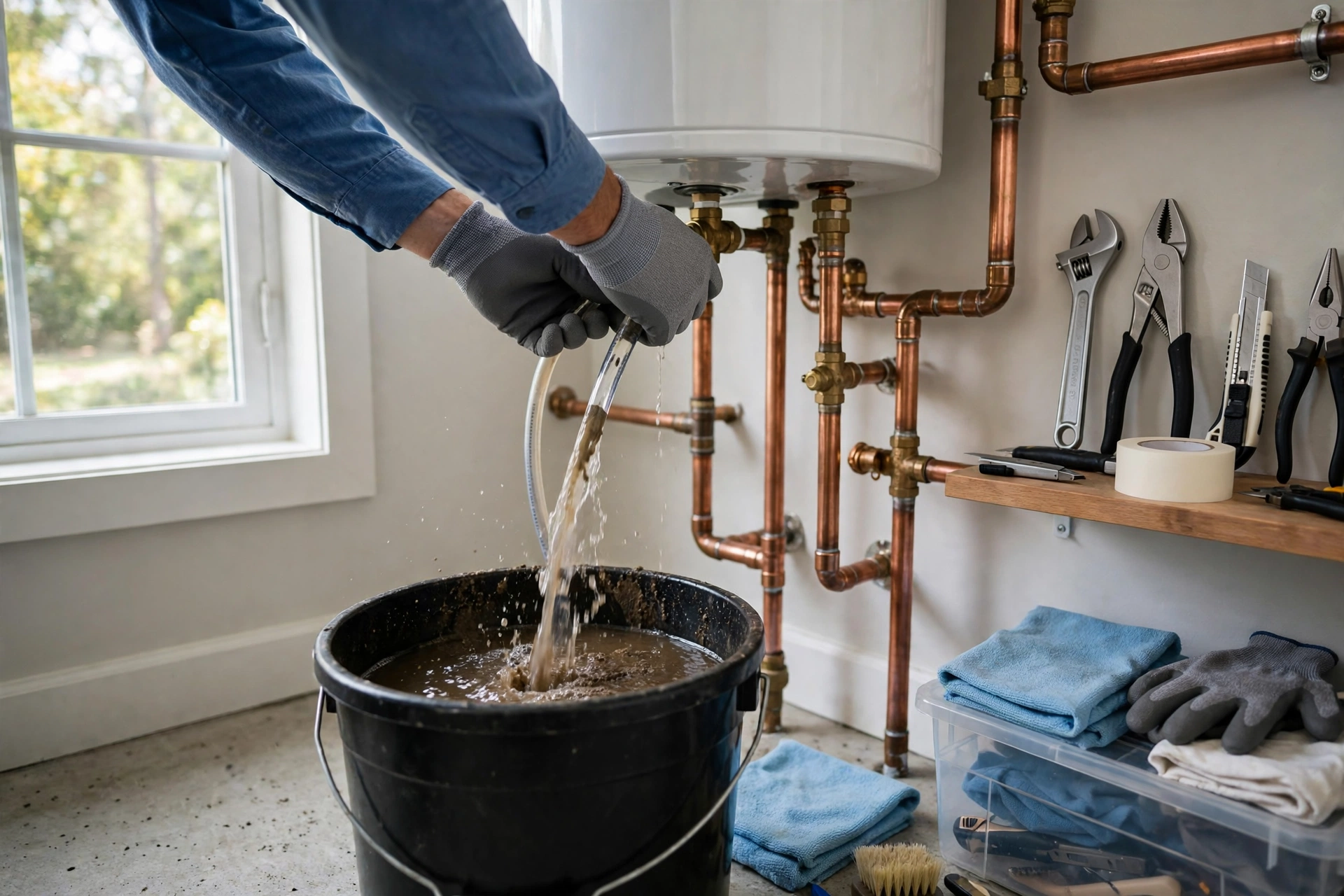
Illustrative photo — water heater repair work, not a specific customer job.
✓ Priced before work starts✓ Coverage by ZIP — call to check
03

Guide: what to check before work starts — Tankless water heater repair in Glendale

Before anyone arrives, gather what helps diagnosis and keeps you safe. Note when the problem started, whether hot water runs out faster than it used to, whether the water is lukewarm or inconsistent, and whether you have heard popping or rumbling from the tank. Photograph any leak or water pooling if it is safe to do so, and find the make, model, and age of the unit from its rating plate where you can.

Clear safe access to the unit without moving anything dangerous or heavy, and keep people and pets away from a leaking area. If water is pooling, turn off the water supply to the heater only if you can do so safely, and keep clear of any electrical or gas controls you are unsure about. The crew should be able to reach the unit, its connections, and its shut-offs without working around stored items.

Agree the practical details before work begins: who is coming, what the scope covers, how the price is set, and what happens if the diagnosis changes once panels are opened. Ask what is included and what is not, whether a replacement would need venting or code work, and how the old unit would be handled if replacement is chosen. Those answers, in writing, prevent most misunderstandings.

Guide: what to check before work starts — Water Heater Repair guide illustration
Illustrative photo — water heater repair work, not a specific customer job.
✓ Priced before work starts✓ Coverage by ZIP — call to check
04

Guide: common water heater mistakes to avoid — Tankless water heater repair in Glendale

The most common mistake is replacing parts at random. A new element fitted to a tank that has failed, or a thermostat changed when the real fault is sediment or supply, costs money without fixing the problem and can hide the real fault until it gets worse. Diagnosis first is not a delay tactic; it is the cheapest step in the whole job, because it stops the wrong part being bought.

Another mistake is ignoring early signs. Popping noises, lukewarm water, or hot water running out faster than before are often treated as quirks to live with, when they are usually early warnings of sediment, a failing element, or a thermostat problem. Acting on them early gives you a part repair to choose from, while waiting often leaves only replacement, or a leak, to deal with.

A third mistake is flushing a very old unit that has never been flushed without asking first. Flushing helps remove sediment and is part of normal maintenance, but disturbing heavy sediment in a very old tank can reveal a leak that was previously sealed by the sediment itself. Ask for advice before flushing an old, unmaintained unit, and let the crew decide whether flushing is safe for that tank.

Guide: common water heater mistakes to avoid — Water Heater Repair guide illustration
Illustrative photo — water heater repair work, not a specific customer job.
✓ Priced before work starts✓ Coverage by ZIP — call to check
05

Guide: what moves the price, in detail — Tankless water heater repair in Glendale

Price moves first on whether the job is a part repair or a full replacement. An element, thermostat, or valve repair is a different job from replacing a unit, and tank versus tankless, size, and fuel type change the replacement side further. Age and condition matter because repeated repairs on a very old tank often cost more over time than a single replacement, even when each individual repair looks cheaper on its own.

Access and connections move the price second. Venting, gas or electrical work, code requirements in your area, and how easy the unit is to reach all add work that a simple part price does not show. A job that looks identical from the outside can differ sharply once connections and code work are counted, which is why a written scope that names those items is worth more than a headline price.

Timing is the third factor. An urgent or out-of-hours job is priced differently from a normally scheduled one, and a leaking unit that needs immediate attention cannot always wait for the cheapest slot. The honest way to handle this is a written scope for your exact situation, agreed before work starts, with any change in scope explained as soon as it is found rather than at the end of the job.

Guide: what moves the price, in detail — Water Heater Repair guide illustration
Illustrative photo — water heater repair work, not a specific customer job.
✓ Priced before work starts✓ Coverage by ZIP — call to check
06

Guide: safety first with water heaters — Tankless water heater repair in Glendale

Water, gas, and electricity in one appliance deserve respect, and the safety rules are simple enough to follow. If water is leaking, turn off the water supply to the heater if you can do so safely and keep clear of the area. If you smell gas, leave the area and call your gas utility or emergency services, and do not try to relight anything or adjust gas controls yourself.

Do not remove panels or adjust gas or electrical controls unless you know what you are doing. A water heater's controls, thermostat, and safety devices are there to prevent overheating and pressure problems, and a well-meaning adjustment can defeat them. Note the symptoms, the make and model, and the age, and pass that information to the crew instead of opening the unit yourself.

After any repair or replacement, the safety checks matter as much as the hot water itself. Temperature controls should be verified, safety controls checked, and leaks looked for at every connection, not just the one that was worked on. Ask what was tested before the job is signed off, and keep the summary of what was done for future reference.

Guide: safety first with water heaters — Water Heater Repair guide illustration
Illustrative photo — water heater repair work, not a specific customer job.
✓ Priced before work starts✓ Coverage by ZIP — call to check
07

Guide: after the repair — checks and care — Tankless water heater repair in Glendale

Once hot water is restored, run through a short set of checks before the visit ends. Hot water should reach the taps at a consistent temperature, no connection should be weeping or dripping, and the temperature and safety controls should have been verified. If anything feels off in the first days after the job — temperature swings, new noises, or dampness near the unit — report it early rather than waiting for it to become a leak.

Ongoing care is mostly about sediment and age. Flushing helps remove sediment and is part of normal maintenance for a tank unit, and keeping a note of the unit's age helps you judge future repair-or-replace decisions without guessing. A unit approaching the end of its expected life deserves a different conversation from a young unit with a single failed part, and that conversation is easier when you have the service history to hand.

Keep the paperwork from the job: what failed, what was replaced, what was tested, and any advice about the unit's remaining life. That record helps the next person who works on the unit, it helps with any warranty question, and it stops the same diagnosis being paid for twice. If a replacement was fitted, keep its make, model, and installation date in the same place.

Guide: after the repair — checks and care — Water Heater Repair guide illustration
Illustrative photo — water heater repair work, not a specific customer job.
✓ Priced before work starts✓ Coverage by ZIP — call to check
08

Guide: questions to ask before you book — Tankless water heater repair in Glendale

Before you book a water heater repair, ask what the diagnosis actually found, in plain language. Which part failed, or is the tank itself the problem, and how was that decided? A crew that can name the fault and explain how it was tested is giving you a diagnosis; a crew that only names a price is asking you to trust a guess. Ask too whether the fault was checked in order — supply, thermostat, elements, valves, then tank — because that order is what prevents the wrong part being fitted.

Ask what the repair covers and what it does not, and what would change the scope once work starts. If a further fault is found behind a panel, will you be told before it is fixed, and will the price change? Ask what will be tested at the end — hot water at the taps, leaks at every connection, temperature and safety controls — and what summary you will receive. Those answers turn a booking into a plan you can check.

Finally, ask about repair versus replacement for your specific unit, not in general. How old is the unit, what is its condition, and does another repair make sense or is replacement the better spend? A straight answer to that question, with the reasoning given, is worth more than a low repair price that only buys a few months before the same conversation happens again.

Guide: questions to ask before you book — Water Heater Repair guide illustration
Illustrative photo — water heater repair work, not a specific customer job.
✓ Priced before work starts✓ Coverage by ZIP — call to check
09

Guide: planning checklist for a water heater job — Tankless water heater repair in Glendale

Use this checklist to plan a water heater job without missing the practical details. First, record the symptoms and the unit's make, model, and age, and note whether water is leaking, hot water runs out faster, or noises have changed. Second, check the obvious safely — power, gas, and any tripped breaker — and if you smell gas, leave the area and call your gas utility instead of proceeding with the checklist.

Third, clear safe access to the unit and its shut-offs, and keep people and pets away from any leaking area. Fourth, agree the scope in writing before work starts: fault found, repair or replacement, what is included, what would change the scope, and what will be tested at the end. Fifth, plan for the time without hot water, especially if replacement is chosen, so the household is not caught out by a job that takes longer than a part repair.

Sixth, keep the paperwork from the job in one place: what failed, what was replaced, what was tested, and any advice about the unit's remaining life. That record is what makes the next decision — repair again or replace — an informed one rather than a repeat of the same diagnosis. If a replacement was fitted, record its make, model, and installation date alongside the old unit's details.

Guide: planning checklist for a water heater job — Water Heater Repair guide illustration
Illustrative photo — water heater repair work, not a specific customer job.
✓ Priced before work starts✓ Coverage by ZIP — call to check
10

Guide: red flags when choosing a water heater company — Tankless water heater repair in Glendale

A red flag is a single lump-sum price with no breakdown, given before diagnosis. Water heater work varies too much — part repair versus replacement, tank versus tankless, access and code work — for a price given before the fault is found to be reliable. A trustworthy scope names the fault, the repair or replacement option, the connections and code work included, and what will be tested, before work starts.

Another red flag is pressure to decide immediately, especially for a replacement. A leaking tank is urgent, and urgency is real, but urgency does not remove the need for a written scope and a repair-versus-replacement comparison. If you are told you must decide now, with no written scope and no explanation of the fault, that pressure itself is information about the company.

A third red flag is a promise that sounds absolute — a guaranteed lifespan, a guaranteed fix for every symptom, or a price that will never change regardless of what is found. Water heaters, like any appliance, have conditions and exceptions, and a company that cannot name any is either oversimplifying or hiding the exceptions. Straight answers, including what is uncertain, are a better sign than absolute promises.

Guide: red flags when choosing a water heater company — Water Heater Repair guide illustration
Illustrative photo — water heater repair work, not a specific customer job.
✓ Priced before work starts✓ Coverage by ZIP — call to check
11

Guide: after you call — what happens next — Tankless water heater repair in Glendale

After you call, the first thing that should happen is a clear conversation about symptoms, not a price. Expect to be asked what is happening with the unit — no hot water, lukewarm water, noises, rust-coloured water, or a leak — and how old the unit is, because those answers shape the diagnosis. A call that jumps straight to a price, without asking about symptoms, has skipped the step that makes the price meaningful.

Next comes diagnosis, then a written scope, then work. Diagnosis should name the fault in plain language and explain how it was found, the scope should say whether the job is a part repair or a replacement and what is included, and work should only start once that scope is agreed. If diagnosis changes the plan once panels are opened, you should be told before the new work is done, not after, so the scope stays honest throughout.

After work, expect testing and a summary. Hot water at the taps, no leaks at connections, temperature and safety controls verified, and a plain summary of what failed, what was replaced or repaired, and what was tested. Keep that summary, because it is what makes the next decision about the unit — repair again or replace — an informed one, and it is what you will need if a warranty or follow-up question arises.

Guide: after you call — what happens next — Water Heater Repair guide illustration
Illustrative photo — water heater repair work, not a specific customer job.
✓ Priced before work starts✓ Coverage by ZIP — call to check

Planning notes

Planning notes — Tankless water heater repair in Glendale: signs, price factors, and what to have ready

Use this checklist alongside the guides above when you plan water heater repair — Tankless water heater repair in Glendale. Work through the signs first, then the price factors, so your call starts with facts about your property rather than a general question. Coverage is by ZIP — call to check your exact address — and prices are given as a written scope for your situation, not as a fixed price on this page.

Signs to note before you call

  • ✓No hot water, or hot water that runs out much faster than it used to.
  • ✓Water is lukewarm, inconsistent, or changes temperature without warning.
  • ✓Popping, rumbling, or banging noises from the tank.
  • ✓Rust-coloured water, a metallic taste, or sediment in the hot water.
  • ✓Water pooling around the base, a leaking valve, or a pilot light that will not stay lit.

Price factors to ask about in your written scope

  • $Whether it is a part repair — element, thermostat, valve — or a full unit replacement.
  • $Tank versus tankless, and the size and fuel type of the unit.
  • $Age and condition: repeated repairs on a very old tank often cost more than replacement over time.
  • $Access, venting, gas or electrical work, and code requirements in your area.
  • $Whether the job is urgent, out of hours, or can be scheduled normally.

Have ready for the call: the signs you have noticed, when they started, what you have already tried, and any photos you took safely. That information shortens diagnosis, sharpens the written scope, and prevents the same questions being asked twice.

📞 Call Now: (555) 010-1234

Before & after

See the difference — Tankless water heater repair in Glendale

See the difference first, then call — no form, just a call. The images below are illustrative examples of water heater repair work, not a specific customer job.

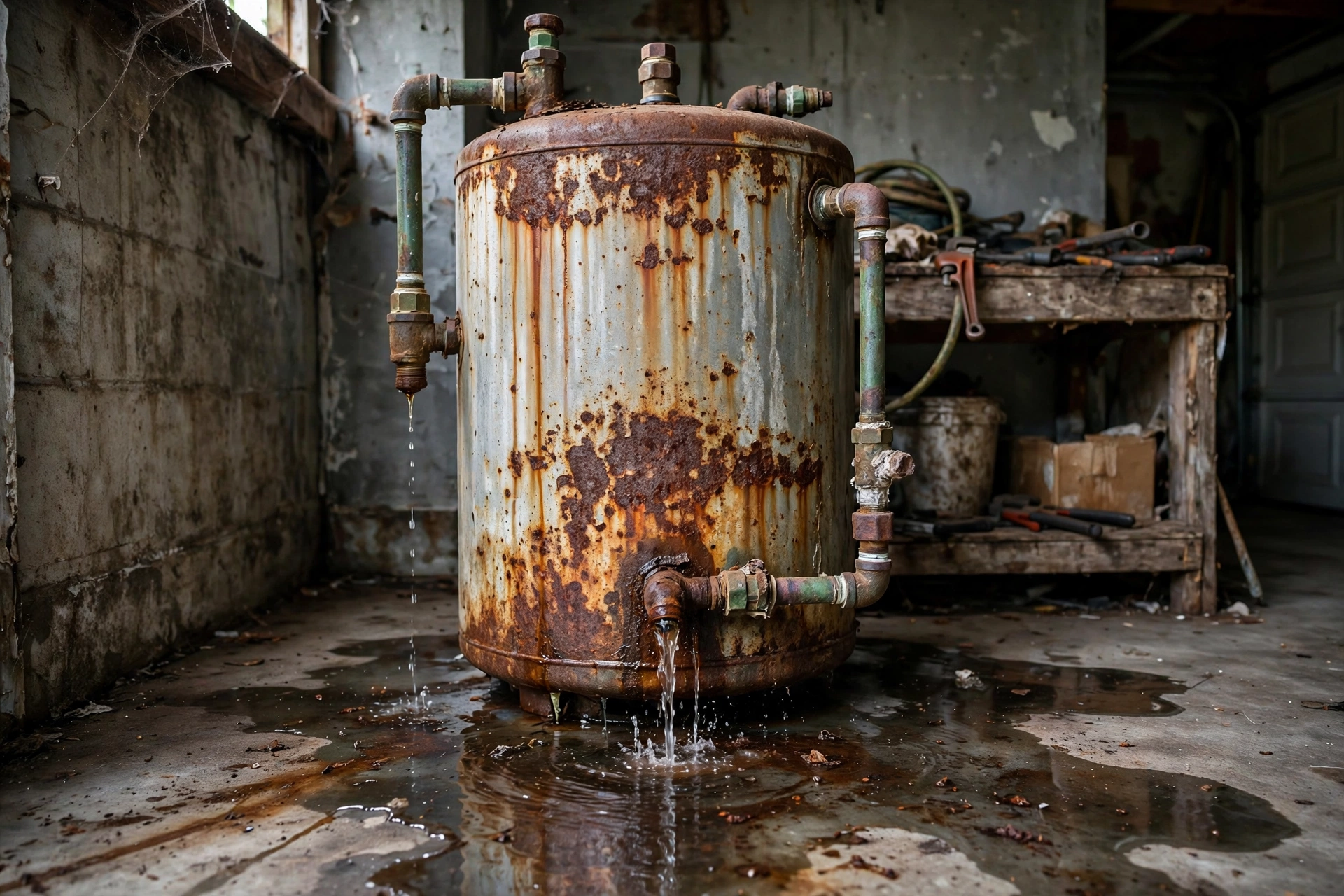
Before — Old rusty tank → new tankBefore
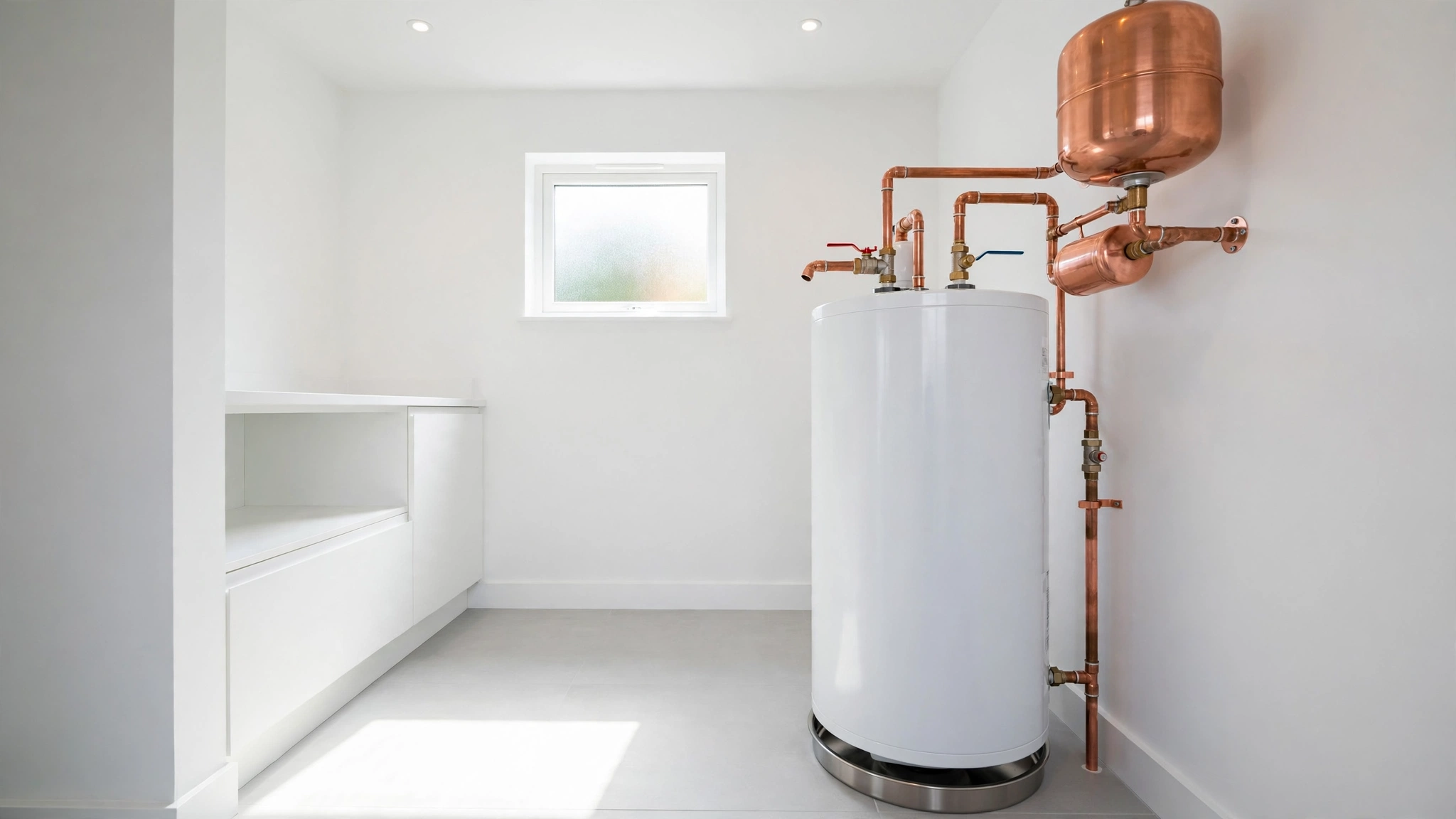
After — Old rusty tank → new tankAfter

Old rusty tank → new tank

Illustrative example, not a specific customer job.

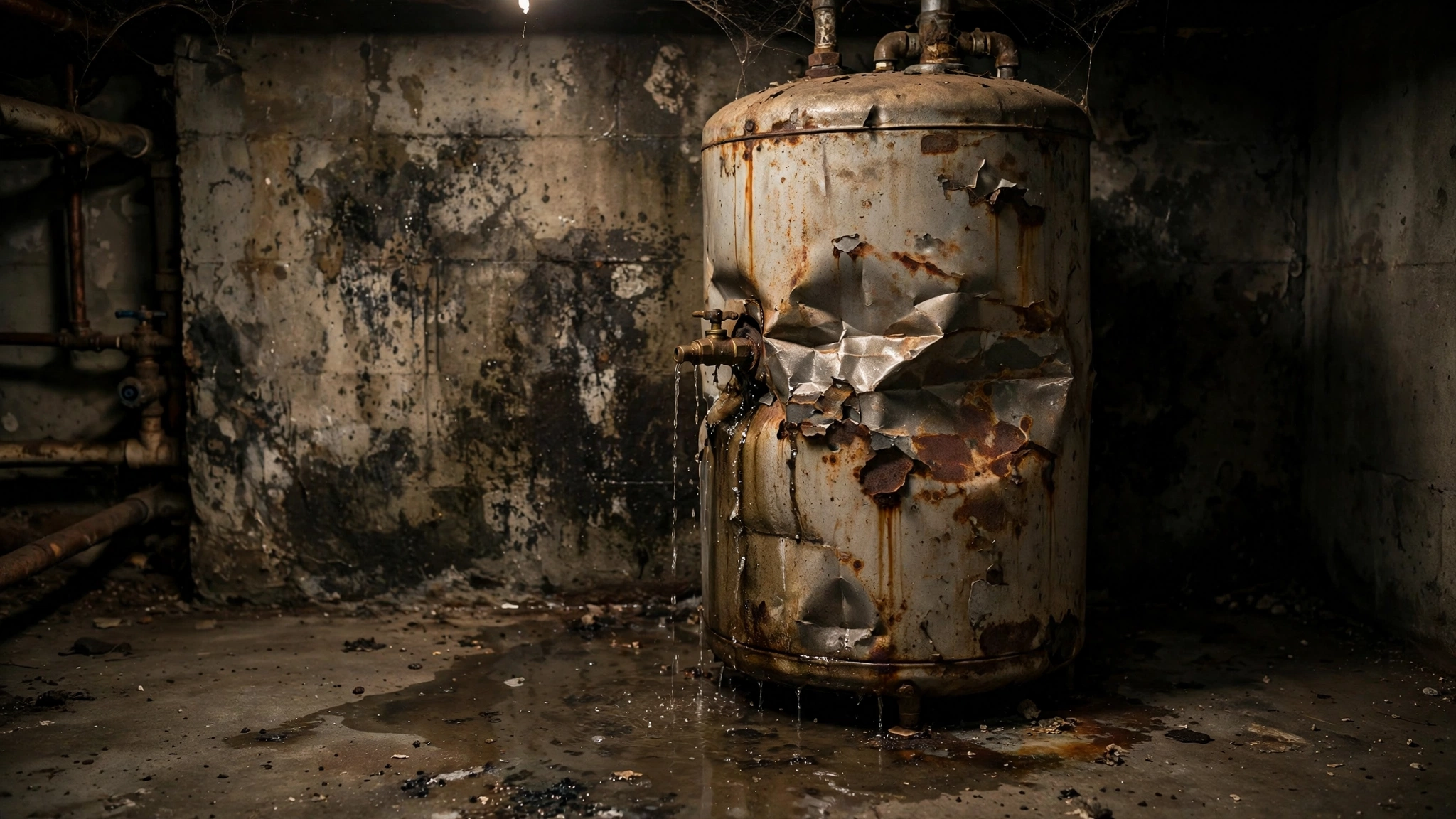
Before — Leaking unit → clean installBefore
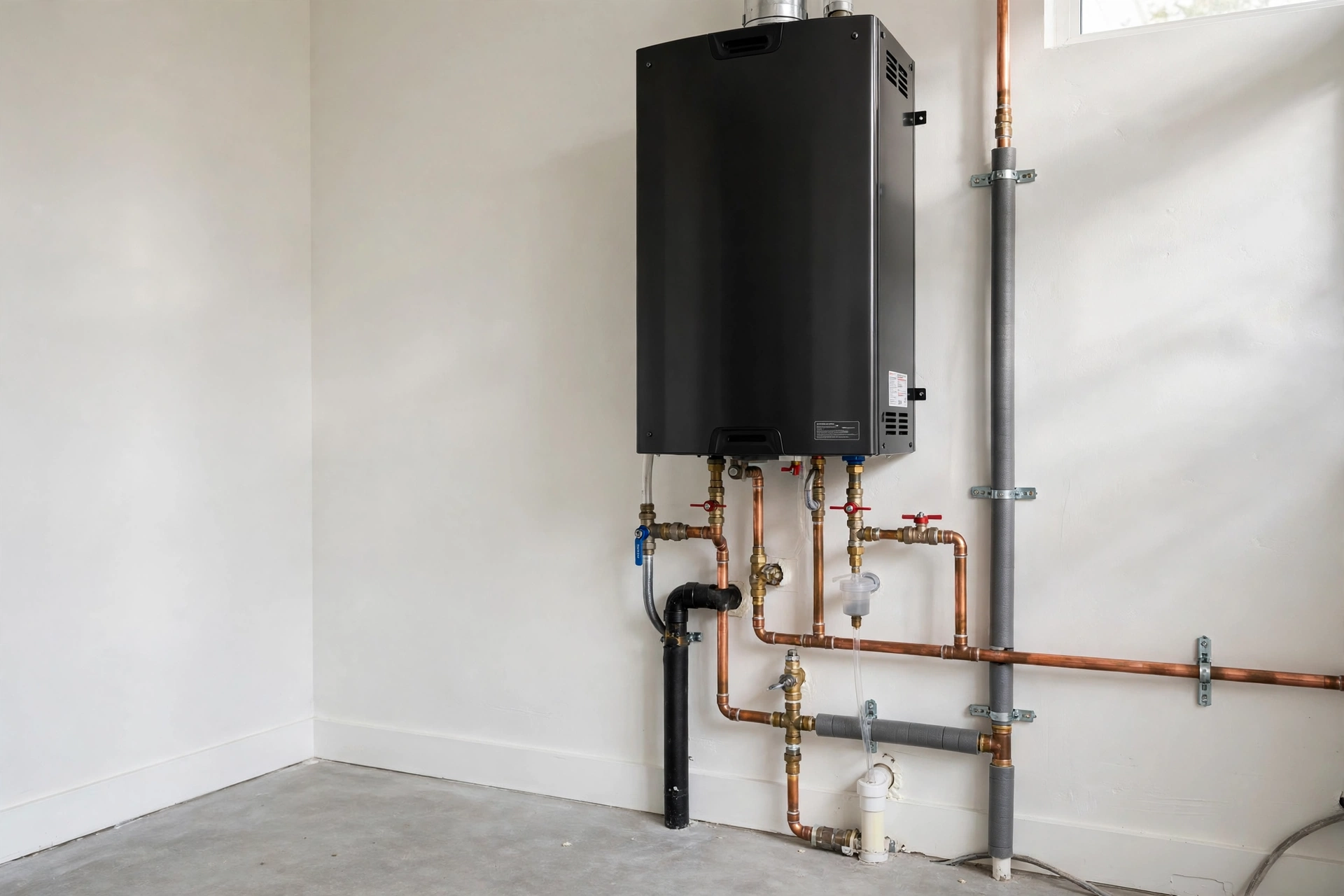
After — Leaking unit → clean installAfter

Leaking unit → clean install

Illustrative example, not a specific customer job.

Why call

Why people call for water heater repair — Tankless water heater repair in Glendale

$

Priced before work

A written scope for your situation, agreed before work starts — not a fixed price guessed from a web page.

⌖

Coverage by ZIP

Call to check your exact address. No ZIP list is invented, and no coverage is promised that is not checked.

✓

Assessed first

Diagnosis and assessment come before work, so the fault — not a guess — decides what is done.

☎

Call only, no form

No form to fill in and wait on. Call, explain what you see, and get a scope for your property.

Ready when you are

Seen enough? Call now for water heater repair — Tankless water heater repair in Glendale

See the difference above, check the guides, then call. No form, no waiting for a reply — just a call, a scope, and a plan for your property.

📞 Call Now: (555) 010-1234
✓ Priced before work starts✓ Coverage by ZIP — call to check

Call Now

(555) 010-1234

Temporary number for checking — replace with the real LeadSmart number before publishing.